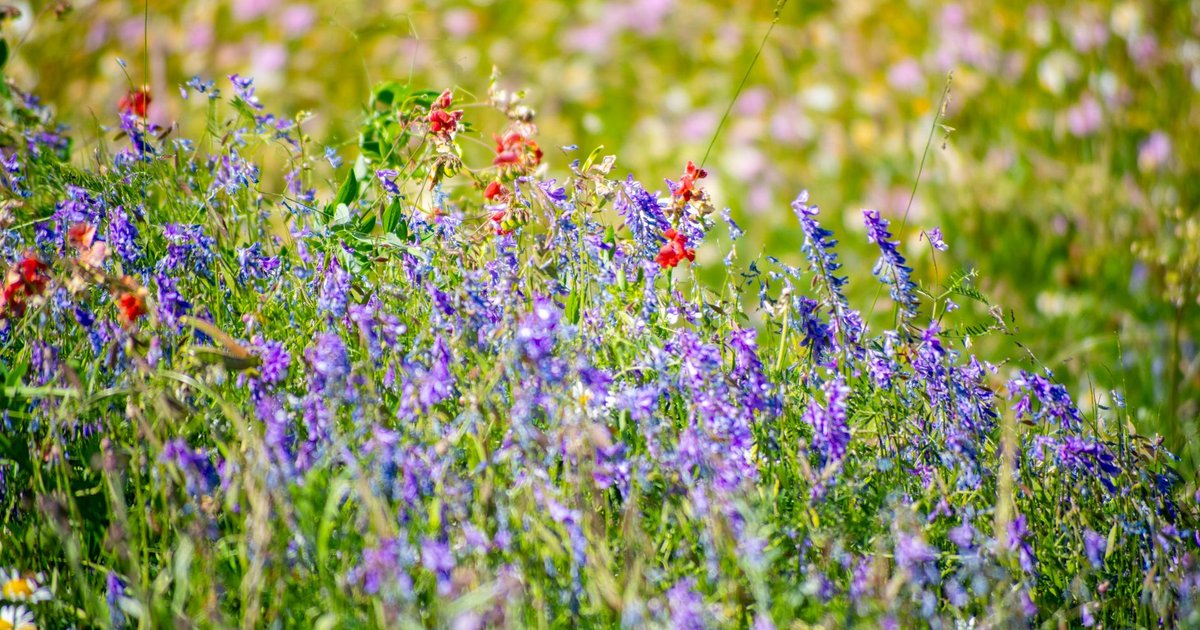
The most coordinated trend in girls' baby naming right now isn't a single name — it's an entire category. Botanical and floral names are rising across the board, from the very top of the chart (Lily #24, Violet #15) to names that barely existed a decade ago (Juniper, Poppy, Marigold).
Here are all the botanical names in current data, with the trajectories that explain the trend.
The top flower names in 2024
| Name | 2024 Rank | 2000 Rank |
|---|---|---|
| Violet | #15 | #734 |
| Hazel | #19 | #893 |
| Lily | #24 | #124 |
| Ivy | #36 | #352 |
| Willow | #41 | #761 |
| Iris | #71 | #414 |
| Daisy | #76 | #141 |
| Juniper | #111 | #5,061 |
| Rose | #115 | #299 |
| Magnolia | #138 | #2,203 |
Lily — the classic flower, revived
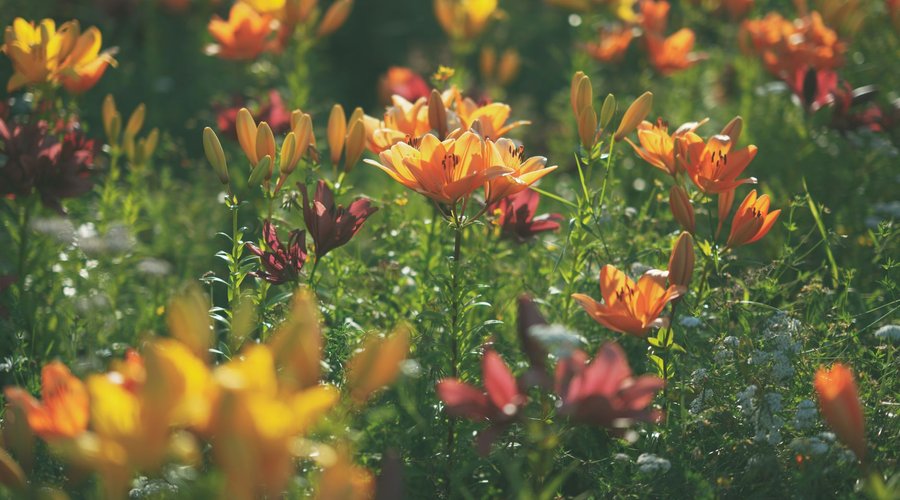
Lily — #24 (6,093 babies). The lily flower, from Latin lilium. Lily was #124 in 2000 and has climbed to #24 — steadily, without a dramatic single-year spike. The climb parallels the Harry Potter era (Lily Potter is Harry's mother) and the broader botanical trend simultaneously.
Lily has an unusual cultural depth: it appears in Christian symbolism (the Easter lily, symbol of resurrection), in Greek mythology (created from Hera's milk), and in the secular garden. The Easter lily association makes Lily particularly common in Catholic and broadly Christian families; the Harry Potter association makes it appealing to a generation of fans. See Harry Potter names.
Ivy — the climber
Ivy — #36 (5,323 babies). The climbing vine, from Old English ifig. Ivy has climbed from #352 in 2000 to #36 in 2024 — a rise of more than 300 positions.
| Year | Rank |
|---|---|
| 2000 | #352 |
| 2010 | #173 |
| 2015 | #104 |
| 2020 | #57 |
| 2024 | #36 |
Beyoncé and Jay-Z named their daughter Blue Ivy Carter in January 2012 — and Ivy immediately climbed. The Beyoncé effect is one of the clearest celebrity-naming moments in the data: Ivy jumped from ~#116 in 2011 to #79 in 2012, then kept climbing.
Ivy also benefits from the same vintage revival driving names like Hazel and Violet — it was a common early 20th-century name that fell through mid-century and is now returning. See skip-generation names.
Willow — the most dramatic sustained climb
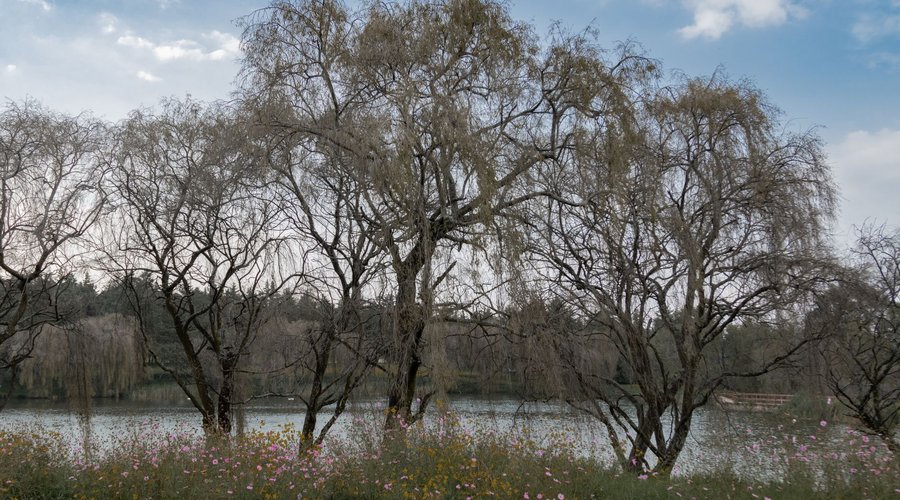
Willow — #41 (4,653 babies). The willow tree, from Old English welig. Willow was #761 in 2000 and is now #41.
| Year | Rank |
|---|---|
| 2000 | #761 |
| 2010 | #220 |
| 2015 | #131 |
| 2020 | #56 |
| 2024 | #41 |
Will Smith and Jada Pinkett Smith named their daughter Willow in 2000 — the same year the name was at #761. The celebrity naming and the beginning of the botanical trend aligned. The character Willow Rosenberg in Buffy the Vampire Slayer (1997–2003) also played a role in making the name feel contemporary rather than nature-mystical.
Juniper — the biggest botanical rise
Juniper — #111 (2,441 babies). The juniper shrub, from Latin juniperus. In 2000, there were about 13 babies named Juniper. In 2024: 2,441.
| Year | Count | Rank |
|---|---|---|
| 2000 | ~13 | #5,061 |
| 2010 | ~130 | ~#1,500 |
| 2015 | ~500 | ~#800 |
| 2020 | ~1,500 | ~#180 |
| 2024 | 2,441 | #111 |
That's approximately a 100-fold increase in 24 years. No other botanical name has grown as dramatically in both percentage and absolute terms.
Juniper's appeal: four syllables (JU-ni-per), an uncommon sound that feels distinctive, nature-adjacent without being a flower most parents associate with specific cultural baggage. It can be shortened to Juni or Junie. Junie B. Jones (the children's book character) may be part of the pipeline; the juniper berry's role in gin production has also given the name a sophisticated edge in adult culture.
Poppy — from zero to #338
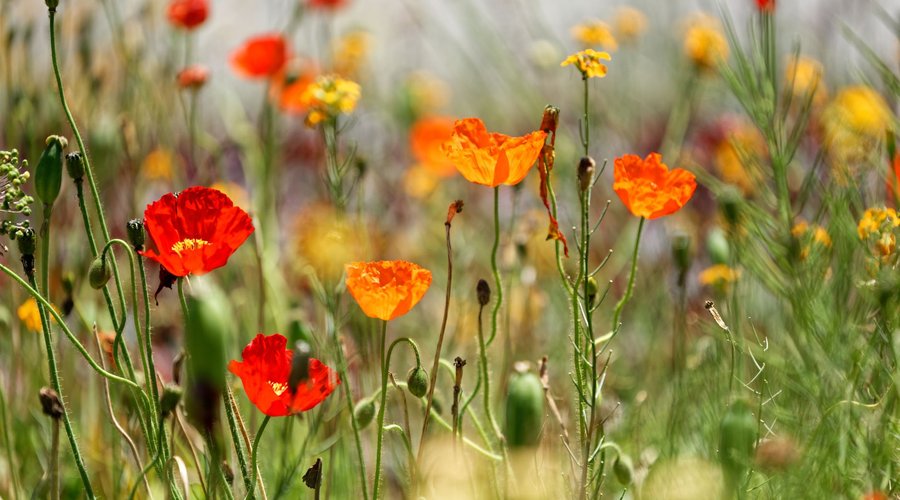
Poppy — #338 (928 babies). The poppy flower, from Old English popæg. In 2000, there were about 9 babies named Poppy in the US. In 2024: 928.
Poppy has been a mainstream girls' name in the UK for over a decade — it was top-5 in England and Wales by 2020. The UK-to-US naming lag (the same dynamic driving Archie, Harriet, and other British names into American use) is clearly at work.
The poppy symbolism is complex: it represents sleep, death, and remembrance (the World War I Remembrance Day poppy), but it also represents the vibrant red of a field flower. The cheerful red aesthetic has prevailed in naming use.
The Trolls animated film (2016) featured a character named Poppy — DreamWorks Animation's cheerful troll princess — which gave the name visibility in the US precisely when it was beginning its climb.
Magnolia — the Southern belle plant
Magnolia — #138 (2,146 babies). The magnolia tree, named for French botanist Pierre Magnol. Magnolia went from #2,203 in 2000 to #138 in 2024. Chip and Joanna Gaines, the Fixer Upper hosts, named their daughter Magnolia in 2018 and built an entire home design brand (Magnolia Network) around the name.
Daisy — the country wildflower
Daisy — #76 (3,091 babies). Old English dæges ēage: "day's eye" — the daisy closes at night and opens with the dawn. Daisy was #141 in 2000 and has climbed slightly to #76.
Daisy is a country/western staple: Daisy Duke (The Dukes of Hazzard), Daisy from The Great Gatsby. See country western names. The simple white-and-yellow daisy aesthetic fits both the cottagecore trend and the country aesthetic.
Azalea — the tropical climber
Azalea — #358 (868 babies). The azalea shrub, from Greek azaleos (dry) — azaleas grow in dry conditions. The rapper Iggy Azalea (born Amethyst Kelly, stage name since the early 2010s) brought significant visibility to the name; the Masters Golf Tournament's Amen Corner, famously lined with azalea bushes, maintains a second cultural reference. From #2,514 in 2000 to #358 in 2024.
Clover, Marigold, Zinnia — the frontier names
These are rare now but clearly climbing:
Clover — #618 (482 babies). From #6,558 in 2000. The four-leaf clover's association with luck gives Clover a cheerful, informal feeling. Still unusual enough to be distinctive.
Marigold — #693 (406 babies). Essentially unused in 2000 (Mary + gold, from marigold = "Mary's gold," dedicated to the Virgin Mary). Now clearly climbing — the Downton Abbey character Lady Edith's secret daughter is named Marigold, and the name has also been used in the Hotel Marigold film title. Still a statement name at #693.
Zinnia — #1,349 (169 babies). The zinnia flower, named after German botanist Johann Gottfried Zinn. Climbing slowly but steadily. The bright coral/orange zinnia color aesthetic is deeply on-trend.
Primrose — #2,106 (91 babies). Harry Potter character Primrose appears in Pottermore lore; the Hunger Games' Katniss has a younger sister named Prim (short for Primrose). Still very rare at #2,106 but entering the data clearly.
The fallen botanical: Heather
Heather — #1,352 (168 babies). The heather plant (Calluna vulgaris), the purple-blooming shrub of Scottish and English moors. Heather was #3 in 1975 and #125 in 2000. Now #1,352.
Heather is the cautionary tale for botanical names: it was the defining 1970s-1980s botanical name, peaking with the same generation that named its daughters Jennifer, Dawn, and Tammy. It's now generationally saturated — associated too specifically with women in their 40s and 50s. See generational names.
Heather's fall mirrors Jasmine's trajectory: Jasmine was #27 in 2000 (post-Aladdin spike) and is now #199. The 1990s exotic botanical name is becoming the 2020s mom name.
Why botanical names are rising
The cottagecore and nature aesthetic. Trends in interior design, social media, and lifestyle content through the 2020s have emphasized natural, organic, botanical imagery — flower arrangements, pressed botanical prints, garden references. The naming trend is part of the same aesthetic wave.
Distinctiveness within familiarity. Lily and Rose are recognizable English words; Juniper and Dahlia feel more unusual. The botanical category offers names across the spectrum from familiar to distinctive, allowing parents to choose their level of uniqueness.
The feminist/independent quality. Unlike names that come from male saints, kings, or historical conquerors, botanical names derive from the natural world — they feel autonomous and non-patriarchal, which some parents find appealing.
British influence. Many botanical names (Poppy, Daisy, Ivy, Iris, Clover) have been mainstream in Britain significantly longer than in the US. The continued Anglophile influence on American naming brings these through with a lag.
Explore: Lily · Violet · Ivy · Willow · Daisy · Iris · Juniper · Rose
Data: SSA 2000 and 2024 US releases.