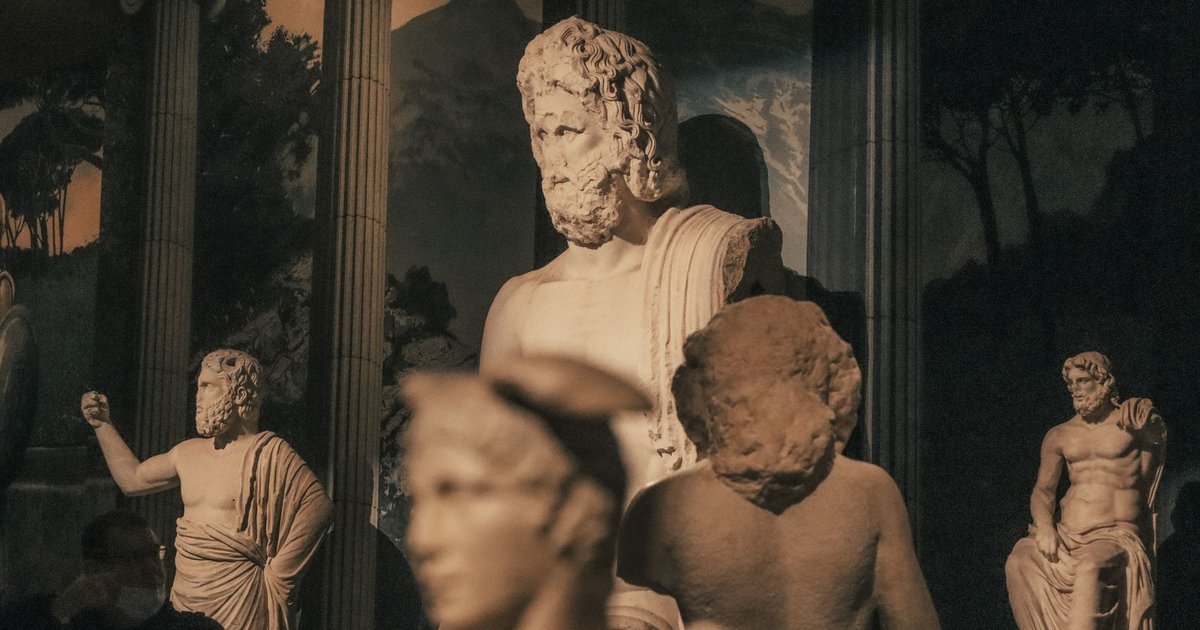
Classical mythology has always influenced English naming, but something unusual is happening right now: mythological names are not just surviving, they're dominating. Luna (#13), Aurora (#16), Penelope (#28), Nova (#39), Iris (#71) — five names from Greco-Roman mythology are in the top 75 girls' names in America. This is unprecedented in modern American naming history.
Here's the full picture of mythological names in 2024 US data.
Girls: Mythological Names by Popularity
Roman mythology
Luna — #13 (7,135 babies). The Roman goddess of the moon; luna is the Latin word for moon. Luna has been one of the fastest-rising names in American history — from essentially unknown before 2000 to top 15 in 2024. Its Latin astronomical meaning is the source, but the Roman goddess predates the modern usage by 2,000 years.
Aurora — #16 (6,917 babies). The Roman goddess of dawn; aurora means "dawn" in Latin. The northern lights (aurora borealis) and the southern lights (aurora australis) take their names from her. In Disney's Sleeping Beauty she's Princess Aurora; the name has been climbing since 2015 partly through that association.
Nova — #39 (5,044 babies). Latin nova (new); in astronomy, a nova is a star that suddenly brightens. While not strictly a deity's name, Nova comes from the same Roman astronomical-mythological vocabulary as Luna and Aurora. It's the third member of the celestial triumvirate dominating the girls' chart.
Diana — #243 (1,293 babies). The Roman goddess of the hunt and the moon. Diana is the Roman equivalent of Artemis. Princess Diana (1961–1997) made the name famous in the modern era; in 2024 it's at #243. The mythological association and the royal association reinforce each other.
Flora — #648 (452 babies). The Roman goddess of flowers and spring. Flora is the classic botanical goddess name — the source of flora (plant life) in English. Still niche but climbing through the vintage botanical revival.
Juno — #1,382 (163 babies). The queen of the Roman gods; the 2007 film. Juno is one of the few goddess-title names being used. The film gave it a creative-indie-parent association.
Greek mythology
Penelope — #28 (5,741 babies). Odysseus's faithful wife who waited twenty years for his return. Penelope is the Greek mythological name that has crossed most fully into mainstream modern use — it was top 30 in the 2020s with little sense of "this is a mythology name." Pennie, Penny, and Nell as short forms help. Its four syllables and three vowels give it the elaborate quality that current naming prefers.
Iris — #71 (3,124 babies). The goddess of the rainbow; the flower; the part of the eye. Iris sits at a triple intersection — myth, nature, anatomy — that gives it unusual cultural depth. It's been climbing for fifteen years and may still have room.
Athena — #90 (2,788 babies). The goddess of wisdom, craft, and warfare; the patron of Athens. Athena has been climbing rapidly — it was outside the top 200 in 2010 and is now top 90. The meaning (wisdom) is appealing; the sound is distinctive without being difficult.
Cora — #102 (2,570 babies). From Greek Korē (maiden); another name for Persephone. Most parents choosing Cora in 2024 are probably not thinking of Persephone's maiden name, but the classical root is there. Cora feels like a vintage name rather than a mythology name to most modern ears.
Phoebe — #183 (1,639 babies). An epithet of Artemis (the shining one) and a Titaness; also a New Testament deaconess. Phoebe is the name that bridges Greek mythology and Christian tradition through the same word. Friends' Phoebe Buffay kept it in the mainstream.
Daphne — #192 (1,564 babies). The nymph who was transformed into a laurel tree while fleeing Apollo. Daphne is one of the fastest-rising classical names of the past decade — it's now inside the top 200 and climbing. Bridgerton's Daphne Bridgerton (2020) gave it a significant push.
Thea — #348 (893 babies). Short form of Dorothea and Theodora; also the Titaness mother of the sun, moon, and dawn. Thea is in a similar position to Cora — most parents using it are thinking short-form-of-Theodora rather than Greek Titan, but the mythological root is present.
Lyra — #482 (638 babies). The lyre constellation named for Orpheus's instrument; Lyra Belacqua from His Dark Materials. Lyra combines an astronomical name (like Nova and Luna) with a mythological one. Still niche but growing.
Calliope — #499 (613 babies). The Muse of epic poetry; kalos (beautiful) + ops (voice). Calliope has the most elaborate sound of any mythological name in current use — five syllables, a double vowel, a name for the chief of the Muses. It's inside the top 500 and climbing.
Cassandra — #613 (485 babies). The Trojan prophetess cursed to tell the truth but never be believed. Cassandra has a complicated story that doesn't discourage parents — the name is beautiful regardless of the myth, and "Cassandra complex" has given it a modern resonance.
Rhea — #616 (484 babies). The mother of the Olympians; a Titaness. Rhea has been climbing since around 2015 — part of the Greek mythology wave that has made Athena, Calliope, and Lyra more visible.
Selene — #675 (424 babies). The Greek goddess of the moon (the equivalent of Luna). With Luna at #13, Selene at #675 shows how completely the Latin form has dominated over the Greek one.
Persephone — #737 (381 babies). The queen of the underworld; daughter of Demeter. Persephone is the most dramatic mythological name in current US use — five syllables, strongly associated with the underworld, beautiful sound. It was essentially unused before 2000 and is now approaching the top 700.
Artemis — #1,022 (246 babies). The goddess of the hunt and the moon; twin of Apollo. Artemis has been climbing slowly — it's a name that sounds bold and confident but remains niche. The NASA Artemis moon program has kept the name visible.
Ariadne — #1,258 (184 babies). The Cretan princess who gave Theseus the thread to navigate the labyrinth. Ariadne is the mythological name that sounds most like a contemporary longer girls' name (cf. Adriana, Ariana). Still niche but growing.
Boys: Mythological Names
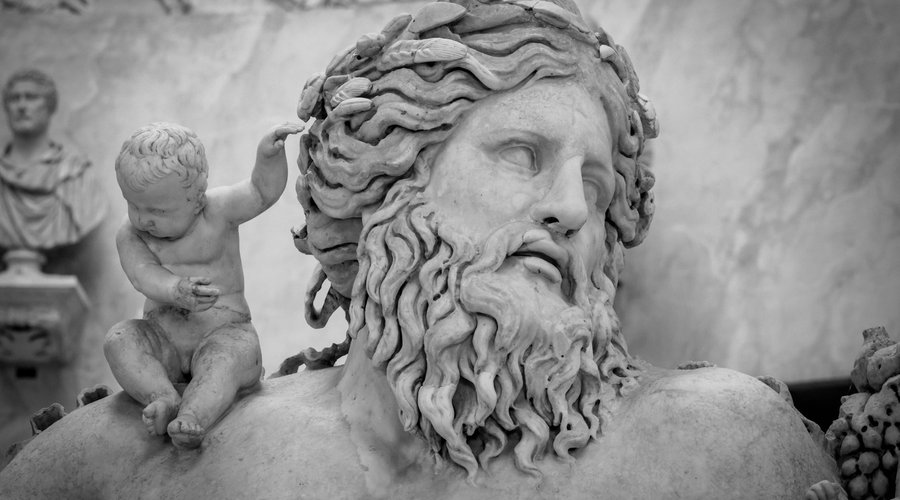
Orion — #325 (1,061 babies). The great hunter of Greek mythology; the most recognizable constellation. Orion has been inside the top 400 for over a decade and is slowly climbing. It's the mythological boys' name with the most mainstream traction.
Apollo — #414 (776 babies). The god of the sun, music, prophecy, and poetry. Apollo has broken into the top 500 for boys — a first for any Olympian deity name used as a first name. The NASA Apollo program gave it a technological-heroic quality alongside the mythological one.
Zephyr — #1,129 (187 boys). The god of the west wind; personification of the gentle breeze. Zephyr is one of the most beautiful sounding boys' mythology names — three syllables, distinctive, easy to say. It's slowly climbing.
Perseus — #1,290 (152 boys). The hero who killed Medusa and saved Andromeda. Perseus is still quite rare but growing — it's a heroic mythological name that works as a first name without being overwhelming.
Mars — #1,453 (124 boys). The Roman god of war. Mars is the planet, the candy bar, and the Olympian. It's still niche as a first name but climbing.
Achilles — #1,224 (164 boys). The greatest Greek warrior of the Trojan War. Achilles has a complex naming proposition — the "Achilles heel" idiom is the most widely known classical reference in English. Still, it's inside the top 1,250 and visible.
Eros — #1,488 (121 boys). The god of love; Cupid in the Roman tradition. Eros is still rare as a first name, largely because of the direct meaning association. It's been slowly rising.
Why mythology is winning
Mythology names are exotic without being invented. Luna, Aurora, and Athena feel distinctive but have 2,000-year track records. They're not made-up names; they're names that have just been less fashionable in recent decades.
The astronomy connection. The Roman mythology of the night sky — Luna, Aurora, Nova, Lyra, Orion, Perseus — resonates with the current interest in space. The James Webb Space Telescope's images have renewed popular interest in astronomy, and the names that map to astronomical objects are benefiting.
Long vowels and -a endings. Luna, Aurora, Athena, Penelope, Calliope, Lyra, Rhea, Selene, Ariadne — nearly all end in -a or have prominent long vowels. This fits the current sound preferences for girls' names exactly.
Ancient roots feel modern. Paradoxically, the most ancient names feel fresh precisely because they haven't been in common use for decades. Athena hasn't been overused in any living generation; it can be reclaimed without nostalgia.
Explore each name: Luna · Aurora · Penelope · Athena · Apollo · Orion
Data: SSA 2024 US release. Mythological classification based on Greek and Roman literary sources.