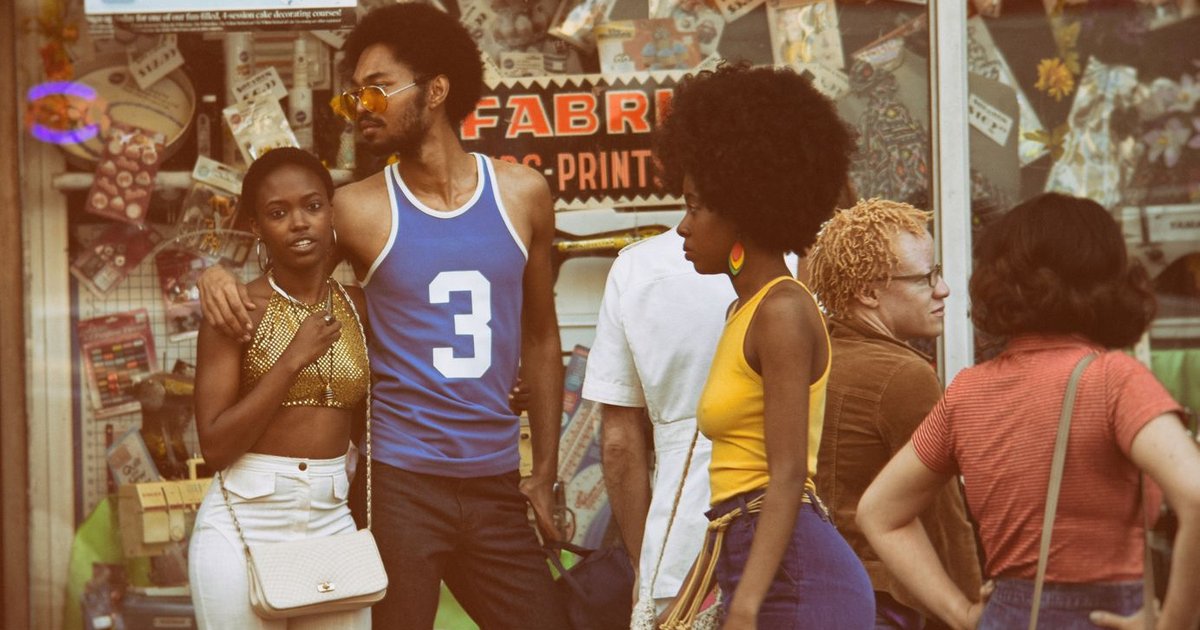
The year was 1974. Nixon had just resigned over Watergate. The OPEC oil embargo was squeezing American drivers. The Godfather Part II was in cinemas. About 3.2 million babies were born in the US, and a striking number of them were named Michael or Jennifer.
Here's what the SSA data shows for 1974.
Top 15 Boy Names, 1974
| Rank | Name | 1974 babies | 2024 rank | Status |
|---|---|---|---|---|
| 1 | Michael | 63,418 | #18 | Remarkable — still top 20 after 70 years on the chart |
| 2 | Jason | 38,327 | #152 | Classic 1970s name, slowly fading |
| 3 | Christopher | 35,509 | #76 | Held mid-chart; the full name feels long to modern parents |
| 4 | David | 35,141 | #31 | Biblical anchor, still holding |
| 5 | James | 32,654 | #5 | Back in the top 5 after a mid-chart dip |
| 6 | John | 30,777 | #21 | Quietly eternal |
| 7 | Robert | 27,883 | #90 | Sliding but stubbornly present |
| 8 | Brian | 24,012 | #414 | Very 1970s; rarely given now |
| 9 | William | 22,714 | #5 | Back in the top 5 |
| 10 | Matthew | 22,137 | #38 | Held mid-chart across 50 years |
| 11 | Daniel | 21,093 | #16 | Top 20 still — biblical staying power |
| 12 | Joseph | 20,248 | #32 | Same |
| 13 | Kevin | 19,104 | #224 | Locked to the 1970s–80s generation |
| 14 | Jeffrey | 18,389 | #687 | Peaked in the 1970s, hasn't recovered |
| 15 | Steven | 17,621 | #269 | Boomer-coded; the 'ph' Stephen is slightly fresher |
Top 15 Girl Names, 1974

| Rank | Name | 1974 babies | 2024 rank | Status |
|---|---|---|---|---|
| 1 | Jennifer | 62,538 | #831 | One of the great generational name collapses |
| 2 | Amy | 28,924 | #306 | Fading but not out |
| 3 | Michelle | 25,481 | #368 | Slow mid-chart decline |
| 4 | Kimberly | 24,867 | #457 | Same |
| 5 | Lisa | 23,745 | #932 | Peaked in the 1960s–70s, now heavily generational |
| 6 | Angela | 20,932 | #401 | Mid-chart fade |
| 7 | Melissa | 20,408 | #618 | 1970s–80s peak, now declining |
| 8 | Tammy | 18,873 | #2,431 | Almost entirely out of use |
| 9 | Heather | 17,891 | #892 | Peaked in the 1970s, hasn't come back |
| 10 | Tracy | 16,614 | #2,179 | Same |
| 11 | Kelly | 16,287 | #336 | Holding better than most of its cohort |
| 12 | Nicole | 15,904 | #317 | Held mid-chart |
| 13 | Julie | 15,533 | #416 | Slow fade |
| 14 | Dawn | 14,918 | #2,847 | Almost gone |
| 15 | Rebecca | 14,402 | #291 | Quiet survivor |
The 1970s cultural context
1974 was one of the most turbulent years in postwar American history. Nixon's resignation in August was the culmination of two years of Watergate revelations — a crisis that shook public trust in government permanently. The economy was reeling from the 1973 OPEC oil embargo, which had quadrupled gasoline prices and triggered the worst recession since the Depression.
Yet the naming data from this year doesn't reflect the turmoil. American parents in 1974 were choosing names that felt modern, mainstream, and optimistic — Jennifer, Michael, Jason, Amy. The sociological explanation is that naming tends to lag economic and political stress by several years, and also that parents naming their children reach toward hopeful, stable choices precisely during unstable times.
The movies of 1974 weren't obviously influencing names the way Shirley Temple had in 1934. The Godfather Part II, Chinatown, Young Frankenstein, Blazing Saddles — the biggest films of the year had characters with older or ethnically specific names (Michael Corleone would have reinforced Michael rather than created it; Jason was likely aided by athletic associations rather than cinema).
Television was the dominant naming medium. The 1970s were the peak era of network television — three networks, no cable, audiences of 30–40 million per hit show. Names on popular shows spread through the culture far faster than names in movies. Jennifer, Amy, and Melissa were all carried by prominent TV characters in the early-mid 1970s.
The country music pipeline. Tammy, Crystal, Loretta, Dolly — country music was at its commercial peak in the early 1970s, and country star names spread into naming culture more than music critics typically acknowledge. Tammy Wynette's "Stand By Your Man" (1968) and her visibility through the early 1970s directly maps onto Tammy's usage peak.
What stands out
The boys' list has aged remarkably well. Eight of the 15 are still inside the top 100 today. James and William are back in the top 5. Michael, despite being the defining name of the whole postwar generation, is still top 20. The biblical core — James, John, Daniel, Joseph — was never really going anywhere.
The girls' list is a different story. Jennifer (#1 in 1974) is now #831. Lisa is #932. Tammy, Tracy, and Dawn are practically out of use entirely. The 1970s girls' list was driven by names that had sharp, concentrated peaks — they felt modern and fresh in their moment and dated extremely fast.
Jennifer's fall is the steepest in naming history. In 1974, roughly 1 in 50 girls born in the US was named Jennifer. By 2024 it's barely top 800. No other name has fallen so far so fast from such a height. There's a specific sociological pattern here: Jennifer went from distinctive → ubiquitous → avoided, all within 30 years.
Which 1974 names are back in style
The 1974 names with genuine revival potential or early signs of return:
Already reviving:
- James — #5, back near its all-time peak. The name never really left but has been climbing since 2010.
- William — #5, same story.
- Matthew — holding at #38 with no sign of serious decline.
Currently quiet but positioned for revival:
- Rebecca — biblical, never fully out, with a classic short form (Becca/Becky). The 100-year vintage revival rule suggests it's in its awkward zone now but will become romantic within 20 years.
- Nicole — still active, just quieter. French-origin, clean sound, no awkward associations.
- Kelly — short, clean, unisex potential. Irish-origin. The -y ending is forgiving; the name could cross gender lines more fully.
- Amy — simple, friendly, one syllable; could follow the Ruth/Ruth-revival pattern. Amy Winehouse has complicated the name's cultural associations but also made it feel warmer.
- Christopher — feeling long by current standards (three syllables), but the short forms Chris and Kit are more viable. Kit in particular is having a small revival via Kit Harington.
Likely permanent residents of the mid-chart:
- David (#31) — too deeply biblical to fully disappear; will always hover between #20 and #50.
- Daniel (#16) — same.
The 1970s boys that aren't coming back
Brian, Kevin, Jeffrey are the cautionary tales. These names don't have the classical depth that protects James or John, but they also don't have the 100-year distance that makes an Edwardian name feel fresh. They're in the awkward middle — too recent to be vintage, too dated to feel current.
Brian is Celtic in origin (from Bríain) but has no surviving cultural connections to that root. Kevin is Irish (from Saint Caoimhín) but has become more American than Irish in perception. Jeffrey is a Germanic-French compound with no strong cultural mooring.
The pattern for these names: they'll sit in the 200–700 range for another generation, then one of two things will happen. Either they reach the 100-year distance and start to feel charming (Brian in 2074?), or a famous bearer reintroduces them. Neither event is imminent.
The names that are "frozen in time"
Some 1974 names are so specifically associated with their era that they've become essentially era-markers:
Tammy (#2,431) — the country-music name. Every Tammy you meet is almost certainly born between 1965 and 1980. The name will revive eventually, but the irony is that Tammy Wynette's music is too distant now for new parents to feel the connection, and not distant enough to feel vintage.
Tracy (#2,179) — a mid-century choice that peaked hard and fast. It's now so strongly generational that it reads as a caricature of itself.
Dawn (#2,847) — peaked even harder and crashed even further. A brief burst in the early-mid 1970s (partly via the pop group Dawn with Tony Orlando), then a swift exit. Nature-name appeal wasn't enough to sustain it.
Heather (#892) — the Heathers film (1988) gave the name one of the most specific cultural associations in naming history: vapid, mean, suburban. The name was already declining by 1988 but the film may have accelerated its departure.
Frequently asked questions
Was 1974 unusually concentrated in its top names? By modern standards, yes — but by mid-century standards, it was normal. In 1974, Jennifer alone accounted for roughly 1 in 50 girl births. Today's most popular girl name (Olivia) accounts for about 1 in 200. The chart has spread dramatically over 50 years as naming became a more individualized decision.
Why did Jason rank so high in the 1970s but never again? Jason's peak is nearly entirely explained by a late-1960s/early-1970s naming wave that had no single clear cause — a confluence of the name sounding modern, appearing in several popular contexts, and benefiting from parents who wanted a break from the John/Michael/James concentration. By the late 1980s the Friday the 13th franchise had given Jason a horror villain association that slowed adoption, and the name's moment had passed. It's now at #152 and slowly declining.
Which 1974 girl name is most likely to come back first? Amy is the strongest candidate. It's one syllable, the phonetic profile is clean, it has no difficult consonant clusters, and it's been long enough out of peak fashion that it's starting to feel neutral rather than dated. Amy Winehouse's cultural legacy — which is complicated — has actually humanized the name in a way that might help rather than hurt.
Are any 1974 names used ironically or nostalgically now? Kevin and Brian occasionally appear in ironic or throwback contexts — social media posts about "Dad names," comedy that plays on era-specific associations. This is the first stage of a possible revival, though ironic adoption often doesn't translate into actual birth certificate usage for another decade or two.
See the full rankings for 1974 or compare how these names have trended using the charts on each name's page.
Data: U.S. Social Security Administration 1974 and 2024 releases.