
Something unusual is happening in American baby naming: dozens of space, star, and celestial names are all rising at once — and have been since around 2010. This isn't one viral name pulling others up. It's a coordinated cultural shift toward the cosmic.
The data is striking: every major celestial name is at its highest point in modern SSA records.
The top celestial names in 2024
| Name | 2024 Rank | 2000 Rank | Rise |
|---|---|---|---|
| Luna (G) | #13 | #1,324 | +1,311 spots |
| Aurora (G) | #16 | #488 | +472 spots |
| Nova (G) | #39 | #2,362 | +2,323 spots |
| Stella (G) | #49 | #656 | +607 spots |
| Leo (B) | #24 | #388 | +364 spots |
| Atlas (B) | #101 | #7,495 | +7,394 spots |
| Celeste (G) | #198 | #275 | climbing |
| Phoebe (G) | #183 | #440 | +257 spots |
| Orion (B) | #325 | #554 | climbing |
| Phoenix (B) | #275 | #878 | climbing |
| Lyra (G) | #482 | #5,844 | +5,362 spots |
Luna — from rare to #13
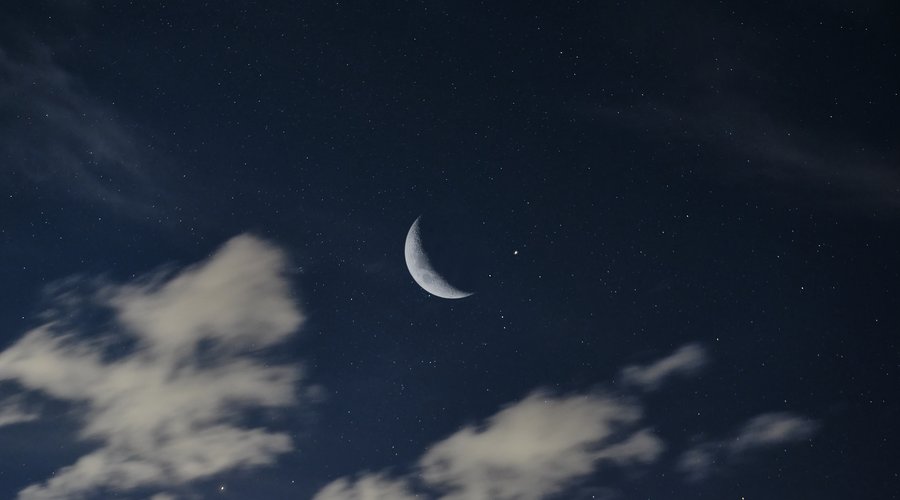
Luna — Girls #13 (7,135 babies). Latin luna (moon). In 2000, Luna was #1,324 with fewer than 200 babies. It is now the 13th most popular girls' name in America.
The rise is so steep it looks like a mistake — but the SSA data is consistent across multiple years:
| Year | Rank |
|---|---|
| 2000 | #1,324 |
| 2010 | #342 |
| 2015 | #112 |
| 2020 | #14 |
| 2024 | #13 |
Luna benefits from multiple overlapping drives: its Latin meaning (moon), its Spanish-language familiarity (Luna is a common name in Spanish-speaking communities), and the Harry Potter connection (Luna Lovegood, introduced 2003). See Harry Potter names.
Aurora — northern lights and dawn
Aurora — Girls #16 (6,917 babies). Latin aurora (dawn). The aurora borealis (northern lights) carries this name into visual culture; Sleeping Beauty's Aurora (1959) keeps the Disney association alive; the Latin meaning of "dawn" fits the optimistic, light-themed naming zeitgeist.
Aurora rose from #488 in 2000 to #16 in 2024 — a rise steeper than almost any non-celebrity-driven name in modern data. It has risen simultaneously in the US, UK, Australia, Norway, and Sweden — confirming that this is a broad cultural shift, not an American-specific event. See Disney names.
Nova — the biggest relative rise
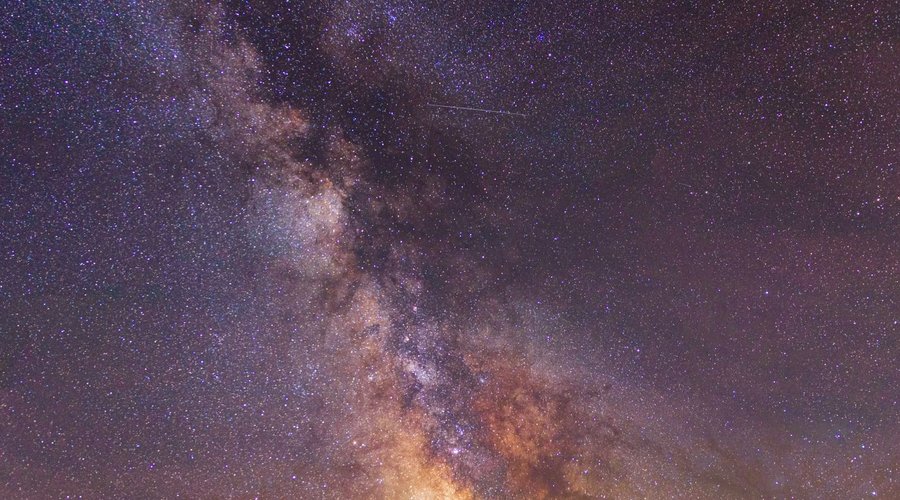
Nova — Girls #39 (5,044 babies). Latin nova stella (new star) — a nova is a star that suddenly dramatically increases in brightness. In 2000, Nova was #2,362 with fewer than 50 babies per year. In 2024 it's #39 with 5,044.
That's a climb of more than 2,300 positions — one of the largest relative rises in the entire SSA dataset over this period.
Nova has additional backing:
- Short, punchy one-syllable sound (contrasting with the elaborate 4-syllable girls' names that also dominate: Olivia, Amelia)
- The science/space association without being hard to pronounce or spell
- Spanish nueva (new) makes it familiar in Hispanic communities
Stella — the first wave
Stella — Girls #49 (4,264 babies). Latin stella (star). Stella predated the full celestial wave — it was climbing from 2005 onward and hit its peak around 2014–2015. At #49, it's slightly off its peak but still in the top 50.
Stella is the etymological root of several other rising names (Estella, Estrella) and demonstrates that the celestial trend has been building for nearly two decades.
Leo — the zodiac sign that works

Leo — Boys #24 (7,793 babies). Latin leo (lion). Leo is the fifth sign of the zodiac (July 23 – August 22) and the name of the Leo constellation.
Of the twelve zodiac signs, Leo is the only one that has become a mainstream given name. The others — Aries, Taurus, Gemini, Cancer, Virgo, Libra, Scorpio, Sagittarius, Capricorn, Aquarius, Pisces — are either rare, awkward to use as names, or carry associations that make them difficult.
Aries exists (#700 for boys, 384 babies) — but it's in the shadow of Ares, the Greek god of war, which it closely resembles. Virgo (#819), Scorpio (#very rare), and Cancer (essentially never used) demonstrate the limits of zodiac-sign naming.
Leo's success comes from its complete independence: it's been a papal name (12 popes named Leo), a given name across multiple European traditions, a literary name (Leo Tolstoy), and a short powerful sound that parents want for boys. The zodiac connection is a bonus, not the driver.
Leo was #388 in 2000 and is now #24 — one of the cleaner long-arc climbs in boys' naming. See vintage boy names.
Atlas — the most dramatic transformation
Atlas — Boys #101 (3,417 babies). Greek Atlas, the Titan who held up the celestial sphere (and by extension the Earth). In 2000, Atlas was #7,495 — essentially nonexistent, with about 13 babies recorded. In 2024: #101.
| Year | Rank |
|---|---|
| 2000 | #7,495 |
| 2010 | #1,575 |
| 2015 | #487 |
| 2020 | #187 |
| 2024 | #101 |
7,000+ positions in 24 years. Atlas is currently one of the fastest-rising boys' names that isn't driven by a single celebrity moment. The myth of Atlas holding the sky in place gives it a masculine, powerful resonance; the "atlas" as a book of maps gives it a discovery and exploration association.
Orion — the hunter
Orion — Boys #325 (1,061 babies). Greek Orion, the mythological giant hunter who became the constellation. Orion has climbed from #554 (2000) to #325 (2024). See mythological names.
Orion is one of the most recognizable constellations in the Northern Hemisphere; Orion's Belt (three stars in a row) is often the first constellation children learn to identify. The name has strong astronomical recognition without sounding exotic.
Phoebe — a moon and a Titan
Phoebe — Girls #183 (1,639 babies). Greek Phoibē (radiant, bright), an epithet of Artemis/Selene (the moon goddess). Phoebe is also the name of one of Saturn's moons, and a recurring character in Friends (Phoebe Buffay). Climbing steadily from #440 in 2000 to #183 in 2024.
Celeste — heavenly
Celeste — Girls #198 (1,556 babies). Latin caelestis (heavenly, of the sky). Celeste is the direct Latin "sky" name — caelum (sky, heaven) is the root of celestial. Celeste has had a more complex trajectory than the other celestial names: it was at #275 in 2000, fell to #500 in 2015, then recovered sharply to #198. The Celeste video game (2018), about climbing a mountain, introduced the name to a younger generation. See fastest-rising 2024.
The coming celestial names
Several celestial names are rare now but showing clear upward movement:
Lyra — Girls #482 (638 babies). The constellation Lyra (the lyre). From #5,844 in 2000 to #482 — still rare, but clearly climbing. The His Dark Materials protagonist Lyra Belacqua (Philip Pullman's novel) gives it a literary association alongside the astronomical one.
Calliope — Girls #499 (613 babies). Calliope is one of Jupiter's moons (discovered 1905) and the name of the Greek muse of epic poetry. At #499, it's on the edge of the mainstream.
Perseus — Boys #1,290 (152 babies). The constellation named after the Greek hero. Still rare.
Vega — Girls: rare. The brightest star in the constellation Lyra, one of the three stars in the Summer Triangle.
Soleil — Girls #824 (332 babies). French for "sun." Soleil Moon Frye (Punky Brewster actress) was the most famous bearer; now it's being discovered by parents seeking an unusual but pronounceable celestial name.
Why the celestial wave is happening now
Several forces converged around 2010:
Space exploration returned to public consciousness. NASA's Curiosity rover landed on Mars in 2012. SpaceX began crewed missions. Astronomical photographs from the Hubble and later Webb telescopes became widely shared visual culture. Space felt exciting again.
The nature-naming trend went cosmic. The same instinct driving Hazel, Violet, Willow, and Sage into mainstream use — the sense that nature names are more meaningful and distinctive than traditional names — extended logically upward. Once parents were naming children after flowers and trees, stars and constellations were the next step.
Latin and Greek aesthetics aligned. The celestial names (Luna, Aurora, Nova, Stella, Leo, Atlas) are almost all Latin or Greek in origin — which fit perfectly with the broader trend toward classical, Latinate names. See names ending in -a and long/elaborate names.
Spanish-speaking communities. Luna, Stella, and Aurora are familiar and used in Hispanic communities independently of the Anglo naming trend. As Hispanic families' naming choices influence the overall US chart, celestial names got a demographic boost.
The celestial wave shows no signs of stopping. Every name in this list is at or near its historical peak in 2024 data.
Explore: Luna · Aurora · Nova · Leo · Atlas · Stella · Orion · Phoebe
Data: SSA 2000 and 2024 US releases. Astronomical and mythological data from standard references.