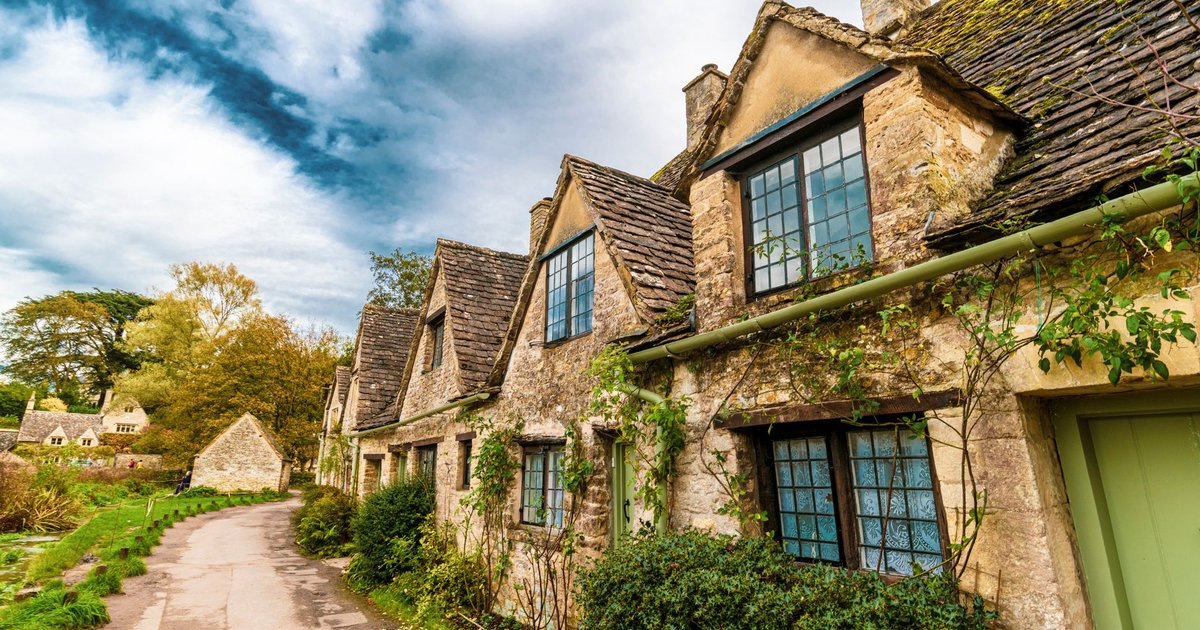
"English origin" is a deceptive category. English absorbed so many names from Latin (through the church), French (through the Normans), and Old Norse (through the Vikings) that many names we think of as quintessentially English have foreign roots. The category here is specifically names that either originated in Old English — the language of Beowulf and Anglo-Saxon England — or that are so thoroughly English in character that they belong in this tradition even if their ultimate etymology points elsewhere.
By that definition, the most English name currently at the top of the American chart is Emma at #2 — from Old Germanic ermen (whole), but thoroughly English since Jane Austen's 1815 novel. And Jack at #15 — a distinctly English diminutive of John with no exact equivalent in other languages.
Here's the full picture from 2024 US data.
Girls: English-Origin Names in 2024
The top names
Emma — #2 (13,485 babies). The prototypically English girls' name — Jane Austen's 1815 heroine defined it. Emma entered the American top 10 in 2002 and has barely left since. It was #1 from 2008 to 2018. Brief, literary, works in every language, but feels most at home in English.
Charlotte — #4 (12,552 babies). French form of Charles, but so thoroughly embedded in English royal and literary tradition (Charlotte Brontë, Queen Charlotte) that it reads as an English name. It's been climbing for fifteen years and is now #4. See also: royal names.
Harper — #12 (7,370 babies). Old English occupational name (one who plays the harp). Harper was a boys' name through most of the 20th century; Harper Lee's To Kill a Mockingbird (1960) may have started the shift. It's been one of the defining girls' names since entering the top 10 in 2015.
Eleanor — #14 (7,127 babies). Medieval English via Old French and possibly Occitan. Eleanor of Aquitaine brought it to England in the 12th century; Eleanor of Castile, Eleanor Roosevelt, and Eleanor Rigby kept it in the English consciousness. It's now top 15 and climbing.
Violet — #15 (6,972 babies). From the Latin flower name viola, but so embedded in the English Victorian tradition that it feels Old English. Violet Crawley in Downton Abbey, Violet in The Incredibles — it's now top 15 and still climbing.
Hazel — #19 (6,401 babies). Old English hæsel, the hazel tree. Hazel is one of the most genuinely Old English names in current use — it goes back to the tree-naming tradition that gave English Ash, Holly, and Rowan. The Fault in Our Stars (2012) accelerated its revival.
Avery — #31 (5,632 babies). Old English and Old French surname (Alfred derivation), used as a first name from the 1990s. Avery was a boys' name until very recently; in 2024 it's primarily girls' in US data.
Lucy — #34 (5,396 babies). Latin lux (light), but the English literary tradition owns it: I Love Lucy, Lucy in Peanuts, Lucy Pevensie in Narnia, Lucy Honeychurch in A Room with a View. One of the most British names currently climbing in the US.
Ivy — #36 (5,323 babies). Old English ifig, the climbing plant. Ivy is the Edwardian botanical name that came back through the vintage revival. Short, nature-coded, and unmistakably English.
Grace — #40 (5,002 babies). Latin gratia, but one of the great English virtue names. Grace has been in the top 50 for over a decade and has held unusually well — it doesn't feel dated or era-specific the way many names from the same period do.
Ruby — #63 (3,517 babies). Old French rubi, but the gemstone name tradition is very English — Ruby is among the most used gemstone names in British naming. It's been inside the top 100 for over a decade.
Iris — #71 (3,124 babies). Greek goddess of the rainbow; the flower. The English flower-naming tradition made Iris a first name (alongside Rose, Lily, Violet, Daisy), even though its etymology is Greek.
Audrey — #82 (2,993 babies). Old English Æthelthryth (noble strength). Audrey is one of the most genuinely Old English names in current use — it was an Anglo-Saxon royal name. Audrey Hepburn made it chic in the mid-20th century; it's now reviving through the vintage wave.
Rose — #115 (2,376 babies). Latin rosa, but the English flower-naming and middle-name tradition has made Rose feel intrinsically English. It's one of the most popular middle names in the country and holds at #115 as a first name.
June — #152 (1,956 babies). Latin month name; but The Handmaid's Tale's protagonist (Offred is June) and the general English tradition of month names as first names gives it an English quality. Part of the calendar-name revival alongside April and May.
Molly — #208 (1,465 babies). English pet form of Mary. Molly is the warm, informal name that has been popular in Ireland and Britain for centuries and crossed to the US. The Sherlock Holmes connection (Mrs. Hudson is actually never named Molly, but the association lingers) and Molly Brown keep it in the cultural memory.
Wren — #213 (1,442 babies). Old English wrenna, the small bird. One of the fastest-rising names in the data — see nature names.
Mabel — #222 (1,380 babies). Old French amabel (lovable), but thoroughly Victorian English in feel. Mabel was popular in the 1880s–1900s and is reviving through the same vintage wave as Hazel and Pearl. Gravity Falls' Mabel Pines gave it a visibility boost with younger parents.
Poppy — #338 (928 babies). The flower; Latin papaver, but the English flower-name tradition claims it. Poppy is one of the most popular girls' names in the UK and is just beginning to cross to American use.
Boys: English-Origin Names in 2024
Henry — #6 (11,547 babies). Old French Hainricus, ultimately Germanic, but so central to English royal and literary history that it reads as English. Hemingway, Thoreau, Ford, VIII — Henry has been top 10 for most of modern US history and has been climbing since its mid-century decline. See also: royal names.
Jack — #15 (8,434 babies). Middle English pet form of John, via Jankin. Jack is the quintessentially English name — Jack-and-Jill, Jack Sparrow, Cracker Jack, Union Jack, Jack the Ripper. It's been in the top 20 almost continuously for 150 years. It has a directness that no other name quite replicates.
Miles — #37 (6,611 babies). Old French Miles, possibly from Germanic Milo (gracious). Miles is a name that has been mid-top-50 for over a decade. Miles Davis gave it an effortless cool; Traction Man gave it a children's book association. The one-syllable English feel works across generations.
Mason — #42 (6,471 babies). English occupational name: a stone mason. Mason was top 3 in 2014 and has been gradually declining since. It's the English trade-name that crossed into first-name use most successfully in the current era (alongside Cooper, Fletcher, and Tucker).
Cooper — #50 (5,699 babies). English occupational name: one who makes barrels. Cooper has been in the top 75 for over fifteen years and holds steadily.
Charles — #51 (5,593 babies). Old French Charlemagne origin; but so integral to English royal and cultural history (Dickens, Darwin, de Gaulle) that it's claimed here. Charles peaked in the 1940s–1950s and is now in a slow vintage revival.
Wesley — #58 (5,144 babies). Old English West Leah (western meadow), made a given name after John Wesley (18th century Methodist founder). Wesley has been solidly mid-chart for a decade. It avoids the era-specific feel that ages names faster.
Arthur — #105 (3,318 babies). Celtic/Latin origin, possibly from Brythonic Artos (bear), but the Arthurian legend makes it the most quintessentially English medieval name. Arthur has been climbing since 2010 and is now inside the top 110. It's very popular in Britain and will likely continue rising in the US.
George — #124 (2,890 babies). Greek Georgios (farmer), but the patron saint of England and the name of six kings gives it an English quality. Climbing since around 2015.
Dean — #142 (2,545 babies). Old English denu (valley), or the occupational title. Dean has a mid-century Rat Pack cool (James Dean, Dean Martin) that is now getting its vintage reassessment.
Blake — #265 (1,311 babies). Old English blæc (dark) or blāc (pale) — contradictory origins. Blake is the English surname-as-first-name that has been mid-chart for decades, used for both boys and girls.
Sterling — #372 (880 babies). English — from the English pound sterling; also possibly from the bird (starling). A name with a quietly rising profile.
What English naming contributes
The virtue name. Grace, Hope, Faith, Joy — abstract English nouns used as names. This is a distinctly English/Protestant tradition; the Catholic naming tradition prefers saints' names. All four are currently in the top 400.
The nature and botanical name. Hazel, Ivy, Wren, Rose, Violet — English botanical and animal words used as names. See nature names for full analysis. The English countryside is the source.
The occupational surname. Mason, Cooper, Fletcher, Tucker, Hunter, Parker — English occupational surnames used as first names. This is a specifically English pattern (the French and German traditions didn't use occupational names as surnames in the same way).
The literary association. Emma (Austen), Lucy (Narnia, Peanuts, Beatles), Audrey (Hepburn), Miles (Davis), Arthur (legend) — English literary and cultural associations add depth to names that might otherwise feel plain.
Explore origin spotlights: Irish names · Scottish names · Latin names · Greek names
Data: SSA 2024 US release. Classification based on Old English etymology or deep integration into the English naming tradition.