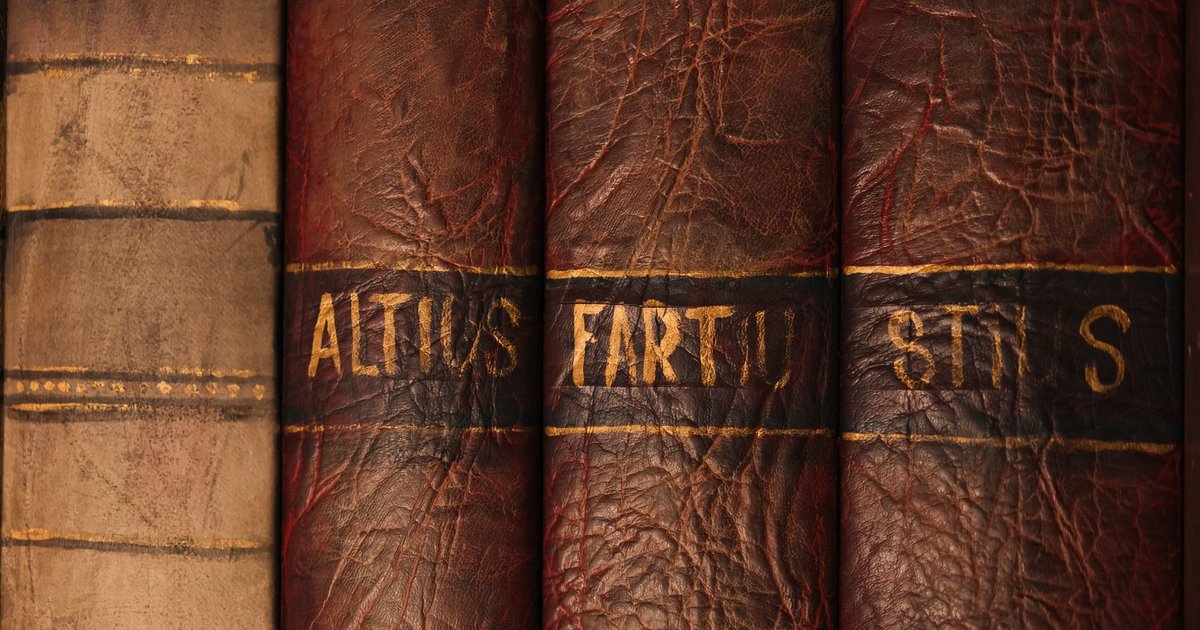
Literary names are a specific category of culture-inspired names where the source is a book rather than a film, a musician, or a place. They tend to have different characteristics from pop-culture names: they climb more slowly (novels don't have the instant mass exposure of films), they age better (books remain in print long after films are forgotten), and they signal a particular kind of cultural capital that parents either want to impart or associate with their child.
Here are the most prominent literary names in 2024 US data.
Girls: Names from Books
Emma — #2 (13,485 babies). Jane Austen's 1815 protagonist is the most successful literary name in American history. Emma Woodhouse is clever, rich, and occasionally wrong — the ultimate realist heroine. The name was declining in the mid-20th century and has come back entirely through the rediscovery of Austen's novels plus the broader short-name trend.
Charlotte — #4 (12,552 babies). Charlotte Brontë, Charlotte's Web, Charlotte Heywood (Sanditon). Charlotte has so many literary associations — Brontë's biographies of her sisters, the spider in E.B. White's children's classic — that it's genuinely difficult to disentangle them from the name's broader cultural presence.
Scarlett — #27 (5,894 babies). Scarlett O'Hara from Margaret Mitchell's Gone with the Wind (1936). Scarlett has been one of the most successful character-to-real-name transfers in American naming history. It peaked as recently as the 1990s in Britain and has been mainstream in the US since the early 2000s. Scarlett Johansson reinforced the name's Hollywood currency.
Elizabeth — #17 (6,878 babies). Elizabeth Bennet from Pride and Prejudice is the most beloved protagonist in the English novel. The name was already in use for centuries before Austen, but Lizzy Bennet has kept it in the cultural conversation as the intelligent, independent ideal. The most durable girls' name in the data; see timeless names.
Jane — #269 (1,180 babies). Jane Eyre (Jane Eyre, 1847 — Charlotte Brontë); Jane Bennet (Pride and Prejudice); Jane Austen herself. Jane has been reviving slowly through the vintage wave. It's a plain, powerful name — "Jane" is the English equivalent of "ordinary woman" in some usages, but through its literary heroines it has become remarkable.
Juliet — #283 (1,116 babies). Romeo and Juliet (Shakespeare, 1597). Juliet has been climbing for fifteen years. It has the advantage of the most famous romance in literature behind it, and the disadvantage of "Romeo and Juliet" still being the obvious association. At #283, it's mainstream enough to feel like a real name rather than a theatrical statement.
Ophelia — #261 (1,215 babies). Hamlet's tragic love interest (Shakespeare, c. 1600). Ophelia's rise is one of the more counterintuitive stories in recent naming — the character drowns herself and is defined by her madness and victimhood, yet the name is climbing. The reason is probably phonetic: Ophelia sounds beautiful, with three open syllables, ending in -ia. The literary association is present but secondary to the sound.
Cordelia — #1,065 (233 babies). Lear's faithful daughter in King Lear (Shakespeare, c. 1605). Cordelia — the daughter who loved Lear honestly and refused to flatter — is the Shakespearean heroine with the most appeal for naming, given her integrity. Still niche but climbing.
Viola — #1,190 (199 babies). The protagonist of Twelfth Night (Shakespeare, 1601). Viola is also a musical instrument (see music names) and a flower name. The literary association reinforces rather than determines its appeal.
Beatrice — #579 (518 babies). Dante's guide and beloved in the Divine Comedy; also the protagonist of Much Ado About Nothing. Beatrice has a long literary tradition across two of the greatest works in Italian and English.
Darcy — #983 (262 girls). Mr. Darcy from Pride and Prejudice is the most famous male romantic hero in English literature — and his surname has crossed to girls' use in American data (262 girls, essentially zero boys). The appeal is the character's pride-turned-devotion arc, which parents want to associate with their daughters.
Scout — #927 (285 girls; #1,480 for 122 boys). Jean Louise "Scout" Finch from To Kill a Mockingbird (1960). Scout is a name that works as a word (the act of scouting, a member of the Scouts) and as a character name. It's been climbing for over a decade.
Harriet — #1,157 (208 babies). Harriet Vane (Dorothy L. Sayers mysteries); Harriet Beecher Stowe (author of Uncle Tom's Cabin); Harriet Tubman. Harriet has the same vintage-revival potential as Mabel and Prudence — a 19th-century name that is beginning a slow return.
Boys: Names from Books

Atticus — #277 (1,223 babies). Atticus Finch from Harper Lee's To Kill a Mockingbird (1960). Atticus has been climbing since the 1990s and is now top 280. It's the clearest case of a literary character name chosen for what the character represents — Atticus Finch as the principled lawyer defending an innocent Black man in the Jim Crow South. Parents are making a values statement.
Holden — #281 (1,205 babies). Holden Caulfield from J.D. Salinger's The Catcher in the Rye (1951). Holden has been climbing for over a decade. Unlike Atticus, whose character is aspirational, Holden is a troubled teenage antihero — yet the name's appeal is clearly phonetic and style-based rather than character-based. It fits the two-syllable, -en ending pattern (Aiden, Hayden, Jaden) while also having the literary credential.
Rhett — #174 (2,134 babies). Rhett Butler from Gone with the Wind. Rhett has been top 200 for over a decade — the only male name from Gone with the Wind to enter mainstream use (Ashley from the same novel was originally masculine but is now primarily feminine). The short, sharp vowel works well.
Romeo — #283 (1,188 babies). Shakespeare's tragic lover. Romeo is in the same counterintuitive category as Ophelia — the character dies, yet the name is mainstream (top 300, climbing). David Beckham naming his son Romeo in 2002 gave it a celebrity-athlete association that helped separate it from pure Shakespeare.
Titus — #383 (843 babies). Titus Andronicus (Shakespeare's most violent play); also a New Testament book. Titus is climbing through the biblical-name revival as much as through literary association. It's a Roman name (the Emperor Titus destroyed the Temple in Jerusalem) with both classical and New Testament weight.
Quentin — #788 (318 babies). Quentin Compson from William Faulkner's The Sound and the Fury and Absalom, Absalom!; Quentin Tarantino. Quentin is mid-chart and holding — the French form of the Roman Quintinus (fifth-born). The Tarantino association has kept it visible for a generation of parents.
Ishmael — #1,500 (119 babies). "Call me Ishmael" — the opening of Melville's Moby-Dick (1851). Ishmael is the narrator of the greatest American novel, and also a biblical name (Abraham's first son). It's been slowly climbing from essentially zero in the 1980s.
What makes a literary name cross over?
The character must be aspirational. Atticus Finch is a moral hero. Darcy evolves into one. Scout is independent and brave. Holden is more complicated, but his intelligence and sensitivity are appealing regardless of his dysfunction.
The book must remain culturally present. Pride and Prejudice, To Kill a Mockingbird, and Gone with the Wind are all continuously in print, taught in schools, and adapted for film and TV. Names from books that aren't actively reprinted and taught don't generate naming momentum.
The sound must work. Ophelia, Juliet, Scarlett, Romeo — all have phonetic qualities that work in isolation. Parents who haven't read the source material can hear the name and find it beautiful. Literary names succeed when the sound and the association reinforce each other.
Character weight cuts both ways. Ophelia drowning, Scarlett being selfish, Romeo dying — none of these associations stop parents from using the names. But more extreme literary characters (Ahab, Medea, Iago) haven't crossed over. There seems to be a threshold of darkness that limits literary name adoption.
Explore related topics: pop culture names · Scottish names · timeless names
Data: SSA 2024 US release. Literary associations from standard bibliographic sources.