
Something has happened to Norse mythology names in America.
In 1994, Freya barely registered in the SSA database — fewer than 150 babies in the entire country. In 2024, Freya is #22, the 22nd most popular girls name in America, with more than 12,000 babies. That's one of the largest rises for any name in SSA history over a 30-year span.
Freya isn't alone. Odin, Astrid, Leif, and Sigrid have all moved meaningfully. Norse mythology names — long confined to Scandinavia and fantasy fiction — are becoming mainstream American baby names.
The rise of Freya
Freya — Girls #22, 12,108 babies in 2024.
Freya is the Norse goddess of love, beauty, war, and magic. She's also the most successful mythology name in American naming history — outranking Venus, Athena, Iris, and every Greek goddess equivalent.
| Year | Rank | Babies |
|---|---|---|
| 1994 | ~#950 | 146 |
| 2000 | #711 | 342 |
| 2004 | #476 | 590 |
| 2008 | #303 | 1,088 |
| 2010 | #252 | 1,368 |
| 2014 | #118 | 3,112 |
| 2018 | #64 | 5,841 |
| 2022 | #28 | 11,430 |
| 2024 | #22 | 12,108 |
Freya's rise has three phases.
The first phase (1994-2010) was gradual — the name was rising in Scandinavia and the UK first, and American naming tends to follow British trends by about a decade.
The second phase (2010-2018) was the mythology wave — Thor (2011), The Avengers (2012), and the broader Marvel Cinematic Universe brought Norse mythology into mainstream American pop culture. Parents who weren't thinking about Viking history were suddenly familiar with Freya, Odin, and Asgard.
The third phase (2018-2024) is the self-sustaining trend — Freya has become common enough that it no longer reads as exotic or thematic. It just sounds like a beautiful name.
See mythological-names for how Freya compares to Greek and Roman mythology names.
Odin: the god that became a baby name
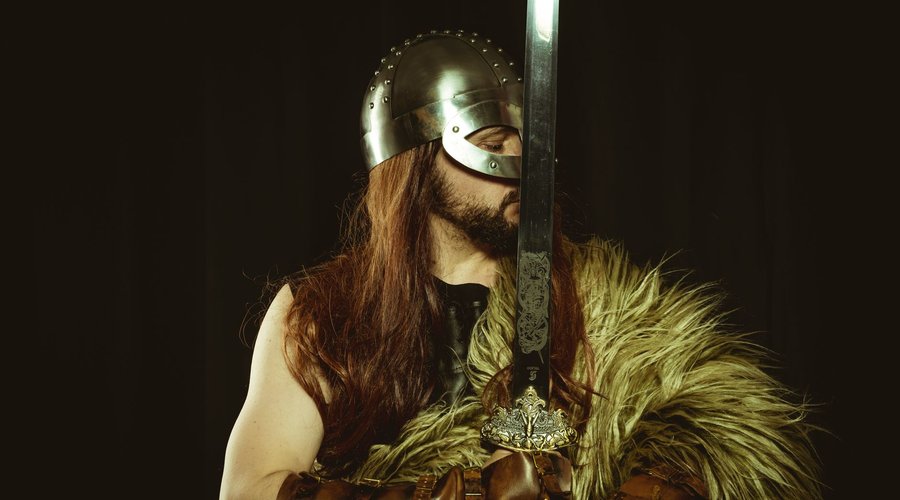
Odin — Boys #365, 881 babies in 2024.
Odin — the Allfather, the god of wisdom, war, and death — has become a real American baby name. In 1994 it was essentially nonexistent. Now nearly 1,000 American babies per year are named Odin.
| Year | Rank | Babies |
|---|---|---|
| 1994 | — | ~10 |
| 2004 | ~#2,100 | ~55 |
| 2010 | #1,190 | 155 |
| 2014 | #716 | 355 |
| 2018 | #452 | 601 |
| 2022 | #381 | 840 |
| 2024 | #365 | 881 |
Odin is still climbing and hasn't plateaued. The Thor/MCU connection is clear — the MCU's Odin (played by Anthony Hopkins) is one of the more prominent pop culture versions of the character, and the films ran from 2011 onward. But Odin also benefits from the general trend toward powerful, mythological, one-syllable names with strong consonants (see names-meaning-strength).
Astrid: the most wearable Norse name
Astrid — Girls #403, 843 babies in 2024.
Astrid is different from Freya and Odin — it's not primarily a mythological name. It's a traditional Scandinavian given name meaning "divinely beautiful" that has been common in Norway and Sweden for centuries. But in America it feels exotic and mythological-adjacent.
| Year | Rank | Babies |
|---|---|---|
| 1994 | ~#1,800 | ~45 |
| 2000 | #1,379 | 103 |
| 2004 | ~#1,200 | 140 |
| 2010 | #770 | 296 |
| 2014 | #528 | 561 |
| 2018 | #453 | 656 |
| 2022 | #406 | 829 |
| 2024 | #403 | 843 |
Astrid got a significant boost from How to Train Your Dragon (2010 and sequels) — Astrid Hofferson is the female lead, a fierce warrior. The franchise ran from 2010-2019 and introduced the name to a generation of parents. Astrid (Scandinavian crime series) and the name's association with Astrid Lindgren (author of Pippi Longstocking) provide additional positive cultural anchors.
Thor: the one that didn't become a baby name

Thor — Boys #1,200+, ~120 babies in 2024.
Despite being the centerpiece of one of the highest-grossing film franchises in history, Thor has never become a real American baby name. It's been rising slowly but remains far outside the mainstream.
| Year | Rank | Babies |
|---|---|---|
| 1994 | — | ~25 |
| 2010 | ~#2,400 | ~45 |
| 2014 | ~#1,800 | ~80 |
| 2018 | ~#1,400 | ~105 |
| 2024 | ~#1,200 | ~120 |
Why didn't the MCU make Thor a common name? A few reasons: Thor is unmistakably a character name, making the "tribute" quality too obvious. It has only one syllable with no easy nickname options. And the "Th" opening shared with the Thunder God is slightly awkward in everyday American English pronunciation. Compare this to Freya, which sounds elegant and doesn't announce "I watched Avengers."
Leif and Bjorn: still rare
Leif — Boys ~#1,500, ~100 babies in 2024.
Leif Erikson Day (October 9) gets more attention than actual babies named Leif. The name remains extremely rare in America despite the Viking nostalgia wave. The pronunciation (LAYf in Scandinavian, LEEF in American English) creates ambiguity that may hold it back.
Bjorn — Boys ~#1,600, ~80 babies in 2024.
Bjorn is essentially unused in America, despite Björn Borg (tennis), ABBA's Björn Ulvaeus, and various historical figures. The "j" creating a Y sound may be too foreign-feeling for widespread adoption.
Why Norse names and not Greek?
An interesting data question: why is Freya outranking Greek goddess equivalents like Athena, Iris, and Aphrodite?
Athena: #163 (2024) Iris: #115 (2024) Freya: #22 (2024)
The gap is striking. Part of it is the MCU effect — Marvel made Norse mythology feel current and cool in a way that Greek mythology hasn't had equivalent pop culture backing since Hercules (1997). Part of it is sound: Freya has the clean two-syllable VCC structure that works for English speakers, whereas many Greek names (Persephone, Calliope, Aphrodite) are longer and harder to pronounce.
See greek-origin-names and mythological-names for the Greek side of the mythology naming story.