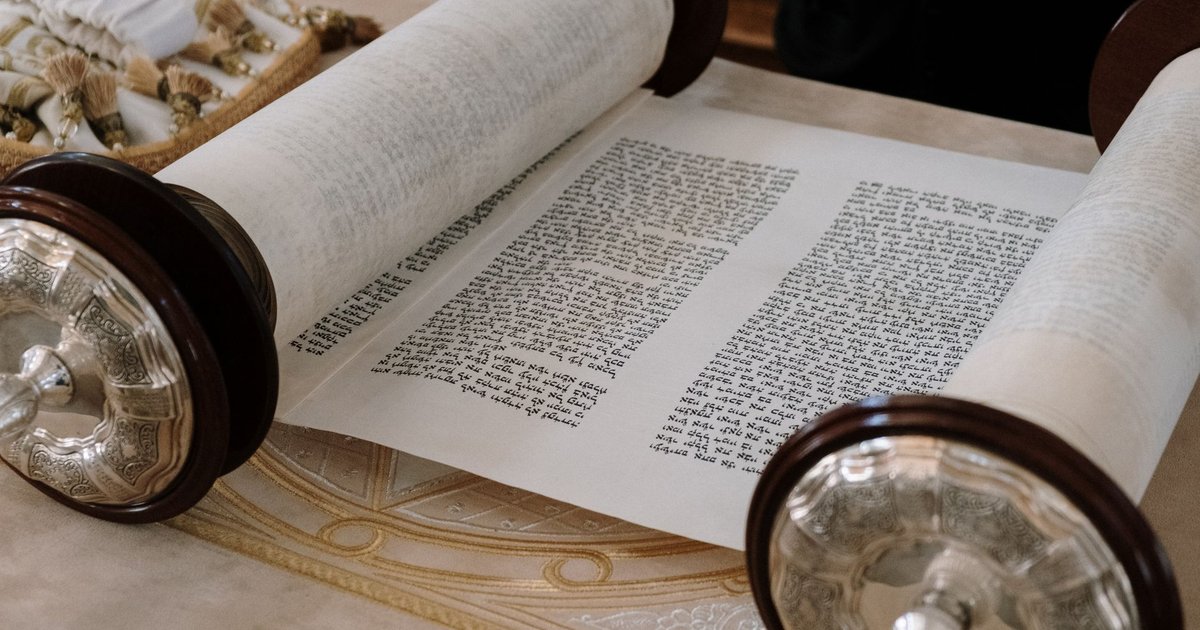
American religious observance has declined. Church attendance is down. The number of adults identifying as Christian has fallen from 90% in 1976 to about 63% in 2024.
And yet Old Testament names are surging.
Isaiah (#36) and Ezekiel (#66) are both in the top 100. Malachi (#136) is rising fast. Silas (#82) is at its highest rank in 130 years. Levi (#15) is in the top 20. Judah is in the top 200. Amos, Obadiah, Gideon, and Ezra are all climbing.
The Old Testament name wave is real, broad, and driven by forces that go well beyond religious affiliation.
The data: Old Testament names in the top 500, 2024
| Name | Biblical figure | 1994 Rank | 2014 Rank | 2024 Rank | 2024 Babies |
|---|---|---|---|---|---|
| Levi | Patriarch, tribe | #264 | #42 | #15 | 13,126 |
| Isaiah | Major prophet | #162 | #41 | #36 | 7,982 |
| Silas | NT companion of Paul* | #432 | #151 | #82 | 4,598 |
| Ezekiel | Major prophet | #348 | #157 | #66 | 5,319 |
| Ezra | Scribe/reformer | #338 | #100 | #24 | 10,885 |
| Malachi | Minor prophet | #500 | #209 | #136 | 2,714 |
| Judah | Patriarch | ~#800 | #337 | #197 | 1,808 |
| Amos | Minor prophet | #719 | #656 | #430 | 771 |
| Gideon | Judge/warrior | ~#700 | #415 | #355 | 916 |
| Abel | First son of Adam | #517 | #265 | #238 | 1,479 |
*Silas is technically a New Testament figure but the name is Hebrew in origin.
Levi: the patriarch in the top 20

Levi — Boys #15, 13,126 babies in 2024.
Levi was the third son of Jacob and founder of the tribe of Levi — the priestly tribe from which Moses descended. It's also an American denim brand. In 2024 it's the 15th most popular boys name in America.
| Year | Rank | Babies |
|---|---|---|
| 1994 | #264 | 1,108 |
| 2000 | #193 | 1,821 |
| 2004 | #138 | 3,046 |
| 2010 | #75 | 5,776 |
| 2014 | #42 | 8,006 |
| 2018 | #24 | 11,209 |
| 2022 | #13 | 13,412 |
| 2024 | #15 | 13,126 |
Levi is near its peak and essentially holding. It benefits from being short (two syllables), having a denim/outdoors cultural association alongside the biblical one, and feeling both old and modern simultaneously. Evangelical Christians, secular families, and Jewish families have all embraced it.
Isaiah: the major prophet returns
Isaiah — Boys #36, 7,982 babies in 2024.
Isaiah is the longest book in the Old Testament — a prophet of major theological importance in Judaism, Christianity, and Islam. The name was barely used in mainstream America until the 1990s.
| Year | Rank | Babies |
|---|---|---|
| 1994 | #162 | 2,042 |
| 2004 | #65 | 5,971 |
| 2010 | #44 | 8,210 |
| 2014 | #41 | 8,404 |
| 2020 | #38 | 7,812 |
| 2024 | #36 | 7,982 |
Isaiah rose steadily through the 1990s and 2000s and has plateaued in the mid-30s to 40s range for the past decade. It's one of the most established of the prophet names — at two decades in the top 50, it's starting to feel like a classic rather than a trend.
Ezekiel: the prophet with the nickname
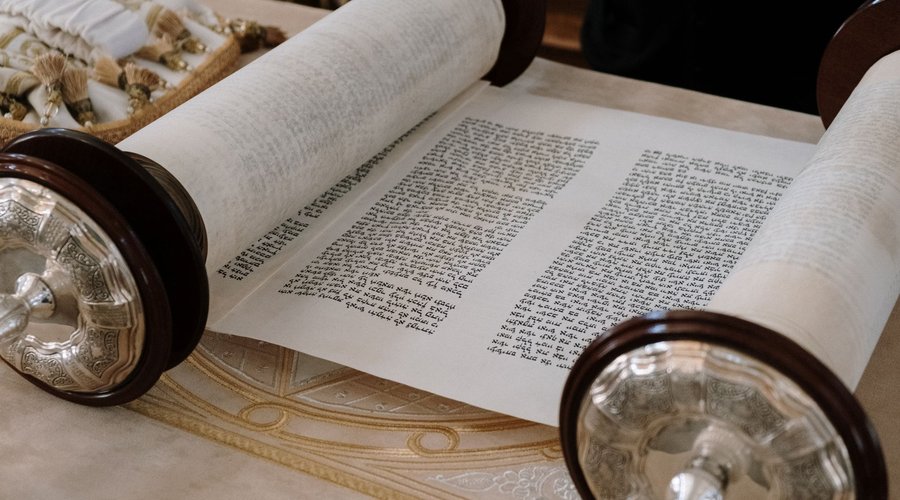
Ezekiel — Boys #66, 5,319 babies in 2024.
Ezekiel was a major prophet of the Babylonian captivity period — the source of the "valley of dry bones" and the chariot-throne vision. It's an unusual choice to reach the top 100, but the nickname Zeke makes it practical.
| Year | Rank | Babies |
|---|---|---|
| 1994 | #348 | 733 |
| 2004 | #272 | 1,108 |
| 2014 | #157 | 2,384 |
| 2018 | #87 | 4,648 |
| 2022 | #64 | 5,428 |
| 2024 | #66 | 5,319 |
Ezekiel's rapid rise (from #272 to #66 in 20 years) surprised many naming observers. The Zeke nickname removes the length barrier, and the name itself has a bold, unusual quality that parents seeking a distinctive biblical name appreciate. In sports, Ezekiel Elliott (NFL running back) kept the name in cultural view through the 2010s-2020s.
Malachi: the prophet at the end
Malachi — Boys #136, 2,714 babies in 2024.
Malachi is the last book of the Old Testament — the final prophet in the Hebrew canon, whose book ends with a promise and a question. It's a name that communicates a kind of finality and fulfillment.
| Year | Rank | Babies |
|---|---|---|
| 1994 | #500 | 410 |
| 2004 | #316 | 985 |
| 2014 | #209 | 1,674 |
| 2018 | #157 | 2,325 |
| 2022 | #131 | 2,783 |
| 2024 | #136 | 2,714 |
Malachi is holding in the low 100s-130s. The three-syllable flow (MAL-a-kye) is smooth and confident. The name also appears in Children of the Corn (Stephen King) which gives it a slight dark-edge connotation in popular culture, though this doesn't seem to have limited its rise in religious communities.
The minor prophets making moves: Amos and Gideon

Amos — Boys #430, 771 babies in 2024.
Amos was a shepherd-prophet from Tekoa who preached against social injustice — one of the earliest advocates for economic equality in recorded history. The name has a simple, two-syllable sound that fits perfectly with the current vintage-revival aesthetic.
| Year | Rank | Babies |
|---|---|---|
| 1994 | #719 | 266 |
| 2010 | #678 | 333 |
| 2014 | #656 | 361 |
| 2020 | #493 | 594 |
| 2024 | #430 | 771 |
Amos has nearly tripled in count from 2014 to 2024. The TV show Justified (Amos character) and folk/indie music's embrace of biblical names have contributed. Amos is still early in its climb.
Gideon — Boys #355, 916 babies in 2024.
Gideon led 300 soldiers to victory over 135,000 Midianites in the book of Judges — one of the great underdog stories in scripture. As a name it has gravitas and narrative weight.
Why Old Testament names beyond religion?
The rise of prophet and patriarch names among secular American families reveals something important: these names are succeeding on their own terms, independent of their religious origins.
1. They're genuinely old. Isaiah, Ezekiel, Gideon — these are 2,500+ year old names. That antiquity signals permanence and weight in ways that invented names simply can't.
2. They're rare but recognizable. Unlike made-up unique names, Old Testament names are unusual enough to be distinctive but recognized enough to be pronounceable.
3. They have built-in meaning. Every biblical name comes with a story, a meaning, a lineage. Parents who want names that mean something find the prophets irresistible.
4. They're not generationally associated. Unlike Michael (1960s-70s), Jennifer (1970s-80s), or Ashley (1980s-90s), Ezekiel and Malachi don't belong to any living generation's parents. They can be claimed fresh.
See biblical-names-2024 for the full picture, and hebrew-origin-names for the Hebrew naming tradition.